Ray Electric Bikes sells electric bike safety to riders across the United States, shipped from our store in Irvine, California. Below you will find clear, practical guidance on electric bike safety.
Electric Bike Safety
Electric bikes are heavier and faster than conventional bicycles. A few habits make a large difference.
Before every ride
- Check tire pressure against the range printed on the sidewall.
- Squeeze both brake levers and confirm firm, even engagement before moving.
- Check that the quick releases, axle nuts, stem and seatpost are tight.
- Confirm the battery is properly seated and locked, and that lights work.
- On a folding bike, confirm every hinge and latch is fully closed and secured.
Speed and braking
An electric bike carries much more momentum than an unpowered one, and a loaded cargo bike more again. Leave more space than feels necessary, brake earlier, and brake in a straight line rather than mid-corner. On long descents, use both brakes progressively rather than dragging one, which lets the rotors cool.
Helmets and protection
Wear a helmet on every ride. Helmet laws vary by state, by age and sometimes by e-bike class, and in some places a helmet is legally required for Class 3 riders. Legal minimum and sensible practice are not the same thing — wear one regardless.
Visibility
Use front and rear lights day and night. Add reflectors and reflective clothing, particularly in winter when much of your riding is in low light. Assume drivers have not seen you until their behavior proves otherwise, and make eye contact at junctions.
Riding in traffic
- Ride predictably and in a straight line; signal turns early.
- Stay out of the door zone beside parked cars.
- Approach intersections at a speed that lets you stop, and cover the brakes.
- Remember that drivers routinely underestimate the speed of an approaching cyclist, and an e-bike is faster than they expect.
Passengers and cargo
Only carry a passenger on a bike the manufacturer has approved for passengers, using the hardware the manufacturer specifies. Only fit child seats that are approved for that model and correctly installed. Keep total weight — rider, passenger, cargo and accessories — within the published maximum payload, and remember that a loaded bike steers, accelerates and stops very differently.
Battery safety
- Use only the charger supplied or approved by the manufacturer for your battery.
- Charge on a hard, non-flammable surface, away from exits and flammable material, and do not cover the battery while charging.
- Do not charge unattended overnight where you cannot respond to a problem.
- Stop using and isolate any battery that is swollen, punctured, dropped hard, smells unusual or becomes unusually hot, and contact us.
- Never modify, open or repair a battery pack, and never fit a non-approved battery.
- Dispose of batteries at an approved lithium battery recycling point, never in household waste.
This page is general safety guidance, not legal advice, and it does not replace the manufacturer’s owner manual for your specific model. Always follow the manual.
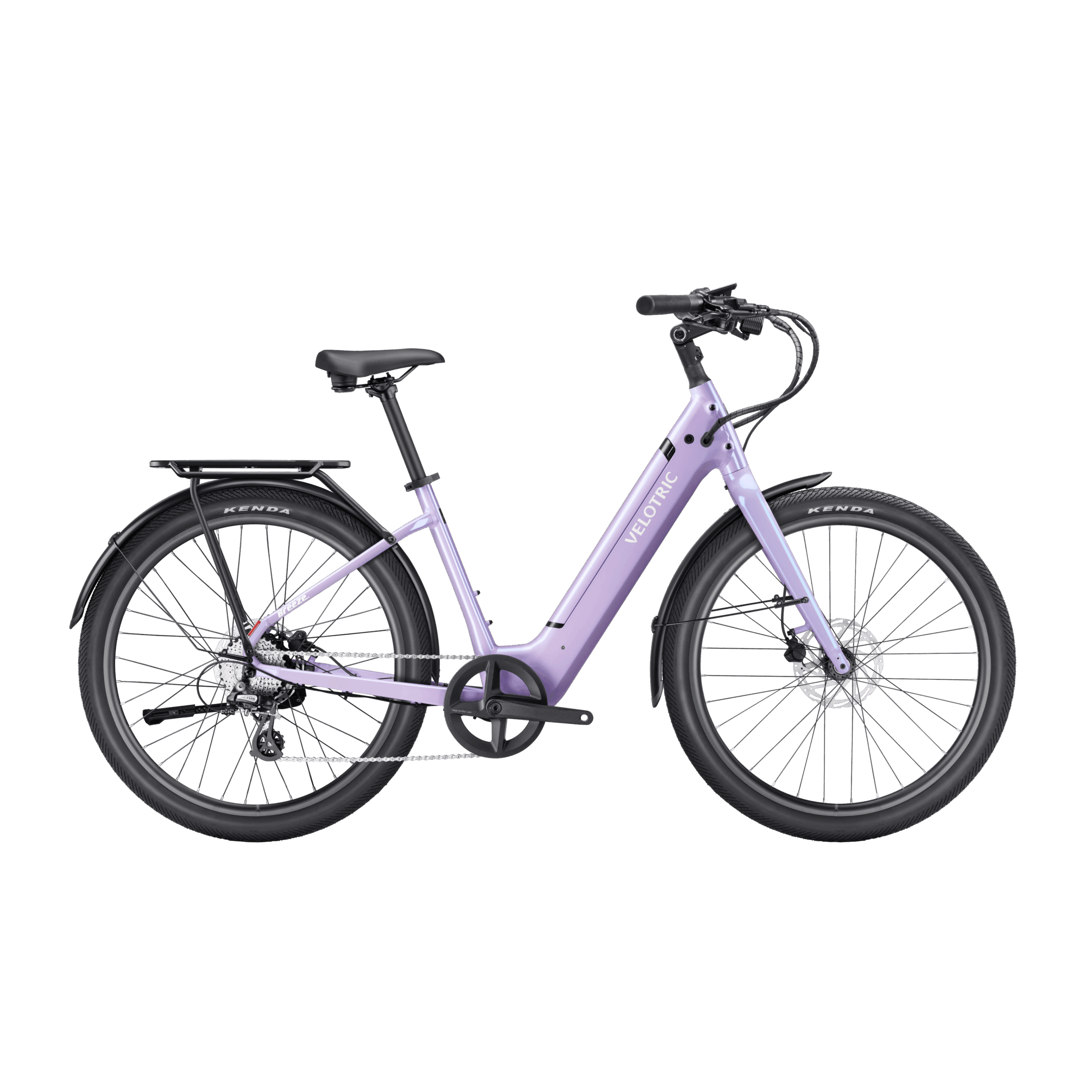
Electric Bike Safety from Ray Electric Bikes
Ray Electric Bikes LLC is a family-run store in Irvine, California. We sell electric bike safety to riders across the United States. Because we check every build by hand, you get a bike that is ready to ride. Also, every order keeps its full manufacturer warranty.
Talk to a real person about electric bike safety
First, tell us how far you ride each day. Then we suggest electric bike safety that suit your route, your budget and your storage space. Finally, we confirm delivery timing before you pay. You can also browse our full range, the brands we stock and our buying guide.
Ride safely and charge safely
Always wear a helmet and follow your state and local rules. In addition, charge indoors with the charger supplied. For general rider guidance we follow the CPSC bicycle safety guidance. Therefore our advice matches national safety standards.
Contact us about electric bike safety
Call +1 213-657-0405 or email Info@rayelectricbikes.com. Visit us at 3800 Barranca Parkway, Suite J, Irvine, CA 92606. We answer every question about electric bike safety, before and after you buy.