Folding Electric Bikes
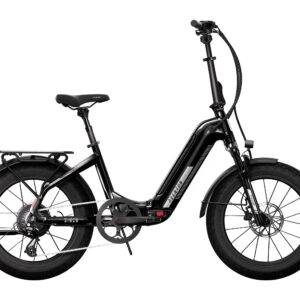
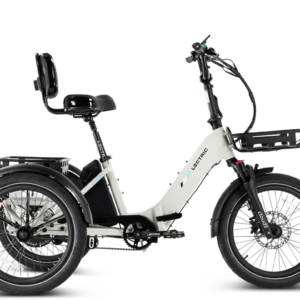
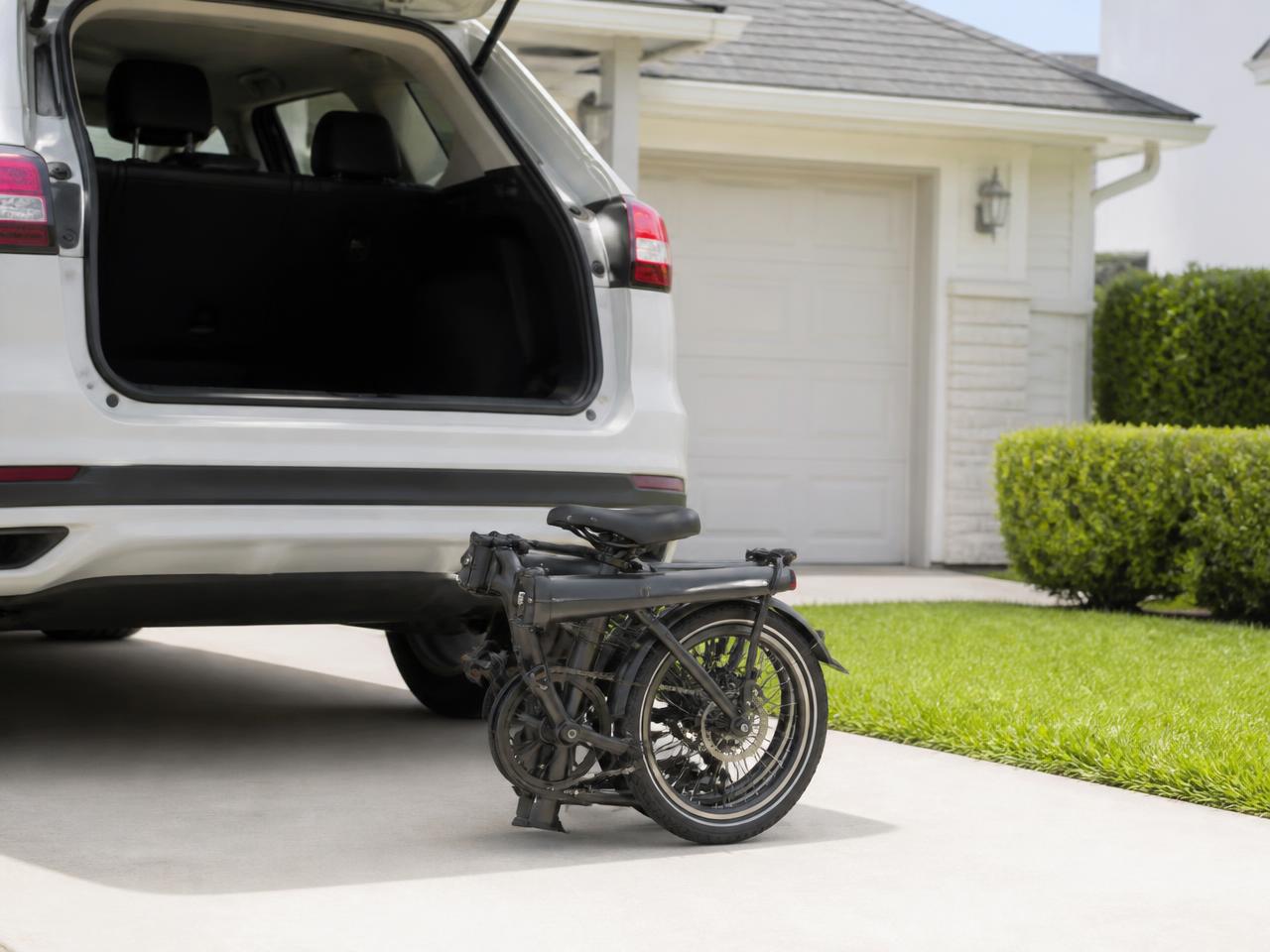
Folding electric bikes solve a storage and transport problem. A hinged frame and folding stem let the bike collapse to roughly half its ridden footprint, which means it can go into an apartment closet, under a desk, into the trunk of a sedan, into an RV bay or onto a boat without a roof rack. For riders in small homes, multi-modal commuters who combine cycling with transit, and anyone who travels with their bike, this is the most practical format in the range.
A folding e-bike is a set of engineering compromises made deliberately. Wheels are usually smaller — 16 to 20 inches — which lowers the folded volume and makes the bike feel quick and maneuverable at low speed, though it also makes the ride firmer over potholes and expansion joints. Frames need reinforcement around the hinge, so folding models often weigh more than they look. Adjustable-height stems and long seatposts do the work that a range of frame sizes does on a conventional bike, which is why a single folding model can usually fit a wide span of rider heights.
Before you choose, measure the space the bike has to fit into and compare it against the folded dimensions on the product page. Then check the weight against how you will actually move it: lifting a bike into a car trunk once a week is very different from carrying it up three flights of stairs daily. If you plan to fly or take the bike aboard transit, check the operator’s battery rules in advance, because lithium battery restrictions are set by the carrier, not by the bike manufacturer.
Folded dimensions, weight, and fold mechanism details on each product page come from the manufacturer’s published documentation. Where a supplier has not confirmed a measurement, the field is left blank rather than estimated.